

I drove a converted Volkswagen Crafter from the Netherlands to Morocco and back over four months, working remotely the entire time. The EcoFlow River 2 Max came with me from week one, replacing a bulkier lithium setup that took up too much floor space. My use case was demanding by portable power station standards: a MacBook Pro running all day, a travel monitor, a GL.iNet router, phone and tablet charging, a portable espresso machine, and occasional evening laptop sessions under LED lighting. I put the River 2 Max through desert heat, Alpine cold, ten-hour driving days of solar top-up, and the occasional shore power connection at campsites. Four months and roughly three hundred charge cycles later, I know exactly what this station does well and where its limits are.
Affiliate Disclosure: This article may contain affiliate links. If you purchase through these links, we may earn a commission at no additional cost to you.
Quick Pick: Which One Is Right For You?
Based on your needs
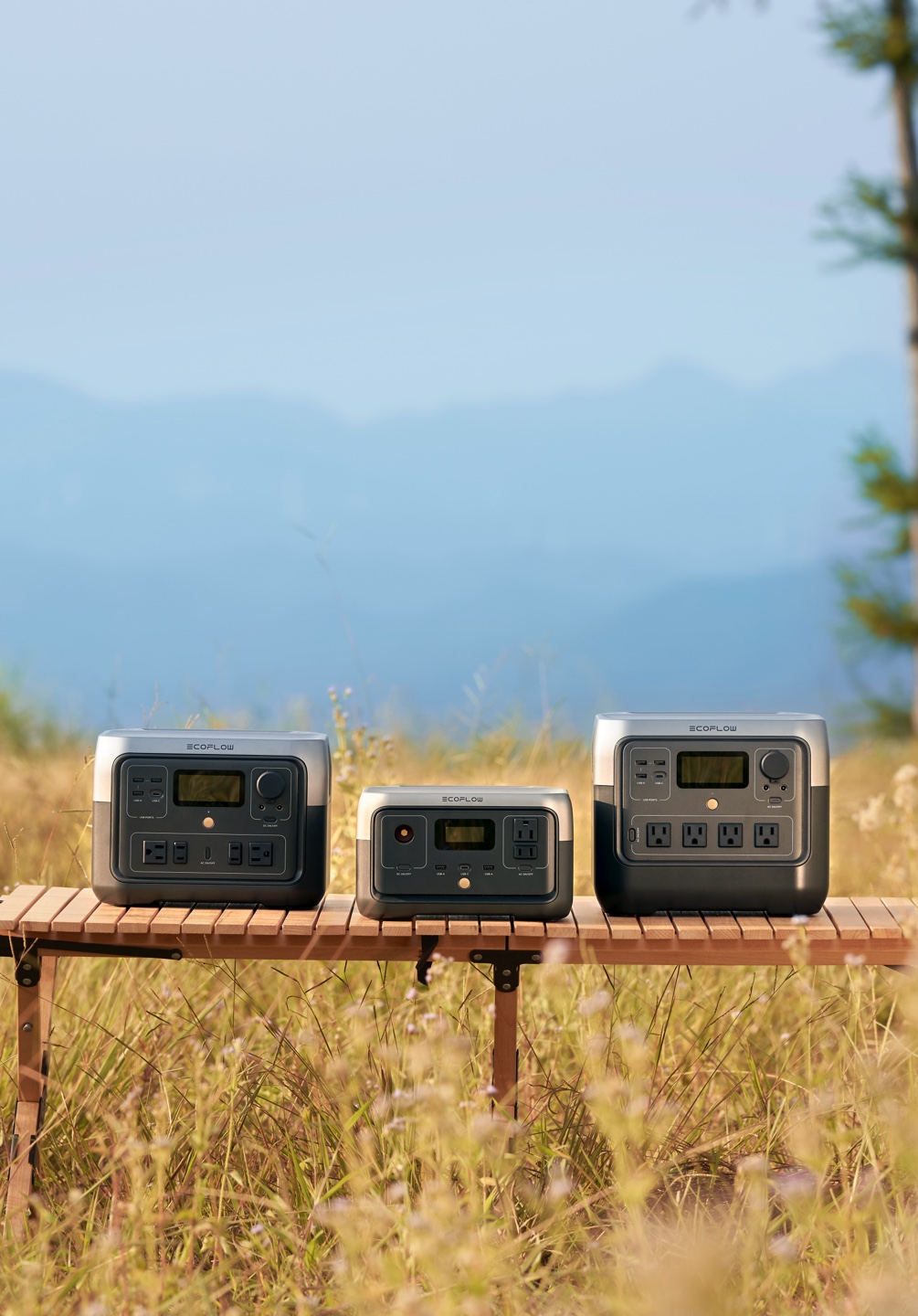
EcoFlow River 2 Max
€349,00
Mid-range power station for nomads on extended off-grid trips who need to power a laptop, phone, and accessories for multiple days.
Check PricePrices may vary. As an Amazon Associate, we earn from qualifying purchases.
The Challenge
Vanlife and long-term mobile work demand a power station that handles repeated deep discharge cycles, manages solar input efficiently, and delivers enough capacity for a full remote work day without constant anxiety about reserves.
The Solution
The EcoFlow River 2 Max's 512Wh capacity, 500W AC output, and X-Stream fast charging cover full-day remote work loads with reserve capacity, while its LFP battery chemistry ensures durability through thousands of charge cycles. See how it stacks up in our <a href="/blog/ecoflow-river-2-vs-anker-solix-c300" class="text-green-600 hover:text-green-800 underline">EcoFlow vs Anker comparison</a>, and pair it with <a href="/blog/best-portable-solar-panels-remote-work" class="text-green-600 hover:text-green-800 underline">portable solar panels</a> for off-grid independence.
What to Know Before Buying the River 2 Max
Real-World Capacity vs. Rated Capacity
The River 2 Max is rated at 512Wh. In practice, accounting for DC-to-AC inverter losses (typically 10-15%) and the station's own management overhead, you can expect approximately 430-450Wh of usable energy from the AC ports. From the 12V car port and USB-C PD ports, efficiency is higher — around 90%. My actual working day average consumption (MacBook Pro, monitor, router, phone) was 180-220Wh, giving me a 2-2.5 day buffer per full charge under my specific load.
Solar Input Performance
The River 2 Max accepts up to 220W of solar input, which is the highest in its class and a genuine differentiator for vanlife use. With two 100W panels connected in series-parallel, I regularly saw 170-190W of actual input in direct Moroccan and Portuguese sun — enough to fully recharge the station in 3-4 hours. In northern European summer sun (Netherlands, Germany), the same panels delivered 120-150W, requiring 4-5 hours for a full recharge. Overcast days in northern regions cut input to 30-60W.
X-Stream Fast Charging
EcoFlow's X-Stream technology charges the River 2 Max from flat to 80% in approximately 60 minutes via AC — faster than any competitor at this capacity. This is genuinely useful at campsites with shore power hookups: one hour plugged in gives you a day's worth of reserve. The charging speed does generate meaningful heat and the fan runs noticeably during X-Stream charging, but temperatures stay within safe operating range even in 35°C ambient conditions.
Long-Term Durability and LFP Chemistry
EcoFlow rates the River 2 Max for 3000 charge cycles to 80% capacity using LFP (lithium iron phosphate) battery chemistry. LFP is thermally more stable than older NMC lithium and performs better in high-temperature environments — relevant for anyone parking a van in summer heat. After four months and approximately 300 cycles, my unit's indicated capacity has not measurably changed from the original reading. For daily vanlife use, this battery chemistry is a meaningful advantage over cheaper alternatives.
How We Evaluate Portable Power Stations
We test power stations under sustained real-world vanlife conditions across multiple climates, tracking actual capacity, charge cycle efficiency, solar input performance, and durability over extended deployment.
Our Recommendations

EcoFlow River 2 Max
€349,00
Price accurate at time of writing. Check latest price on Amazon.
I used the River 2 Max for a two-week van trip through Norway where charging points were scarce. It powered my MacBook, external monitor, phone, and camera batteries without running out — I topped it up via solar panel every two days. The one-hour AC charge means a quick stop at a café can restore full capacity fast. For power security on remote trips it's been transformative.
Best for: Mid-range power station for nomads on extended off-grid trips who need to power a laptop, phone, and accessories for multiple days.
What We Like
- 512Wh capacity powers a laptop for 2–3 full work days
- Charges from 0 to 100% in 60 minutes via AC
- Dual AC outlets plus USB-A/C ports
- LFP battery rated for 3000+ cycles
Considerations
- 7.7kg is heavy for backpack carry
- Fan noise at high loads can be audible in quiet spaces
Key Specifications
Related Reading
Common Questions
Review Transparency
Our reviews are based on real-world remote work needs including portability, power autonomy and connectivity reliability while traveling.
Affiliate Disclosure: This article may contain affiliate links. If you purchase through these links, we may earn a commission at no additional cost to you.
Related Remote Work Tools
More Guides You'll Love
Explore More Categories
Get Personalized Gear Recommendations
Stop guessing which gear to buy. Fill out our quick questionnaire and receive a custom PDF with the exact products for your setup, budget, and travel style.